

What does CBD have in common with our favorite fruits and vegetables?
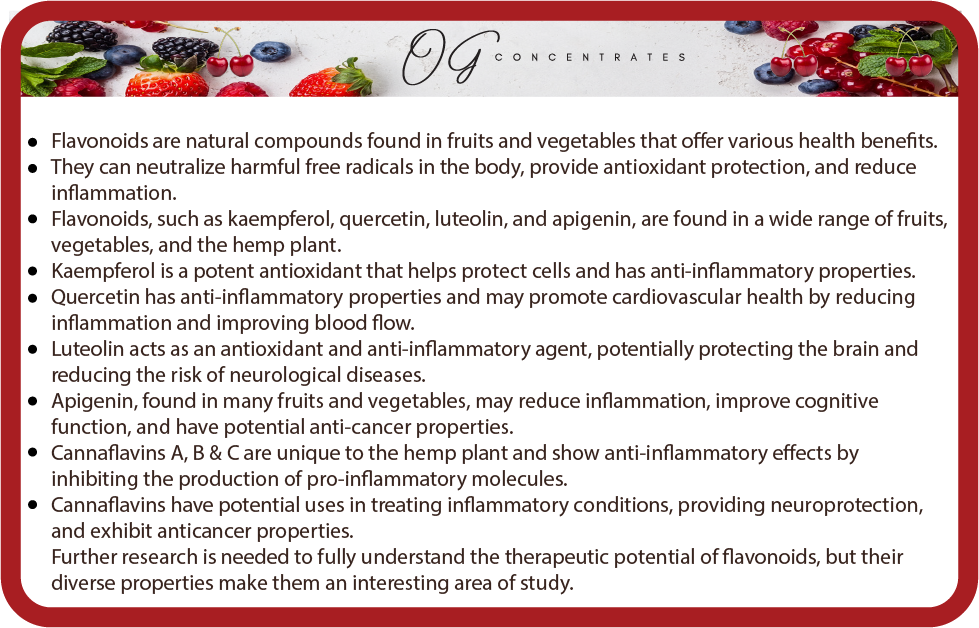
It’s all about flavonoids| Flavonoids are naturally occurring compounds found in many fruits and vegetables which have shown to contain many health and healing benefits. Some of these benefits include the ability to neutralize harmful free radicals in the body (antioxidant protection), reduce inflammation in the body (anti-inflammatory properties), reduce the risk associated with heart disease, support the immune system and improve cognitive function and memory. |  |
 |
Kaempferol is a flavonoid that can be found in many fruits including strawberries, blueberries, raspberries, cherries, apples and more. Some Vegetables also contain abundant amounts of Kaempferol; kale, spinach, broccoli and lettuce to name a few. This flavonoid is also found in the hemp plant. Kaempferol is a potent antioxidant that can help protect cells from damage caused by free radicals. This can help reduce the risk of various diseases and promote overall health. Kaempferol has also been shown to have anti-inflammatory properties, which may help reduce the risk of chronic diseases such as heart disease, diabetes, and cancer. |
 |
 |
Quercetin is a flavonoid that is found in various plants, including onions, apples, berries, tea and hemp. It has been shown to have potent anti-inflammatory properties, which may help reduce the risk of chronic diseases such as heart disease, diabetes, and cancer. Quercetin may help promote cardiovascular health by reducing inflammation, lowering blood pressure, and improving blood flow. It may also help reduce the risk of heart disease by preventing the oxidation of LDL cholesterol, which can lead to plaque buildup in the arteries. | 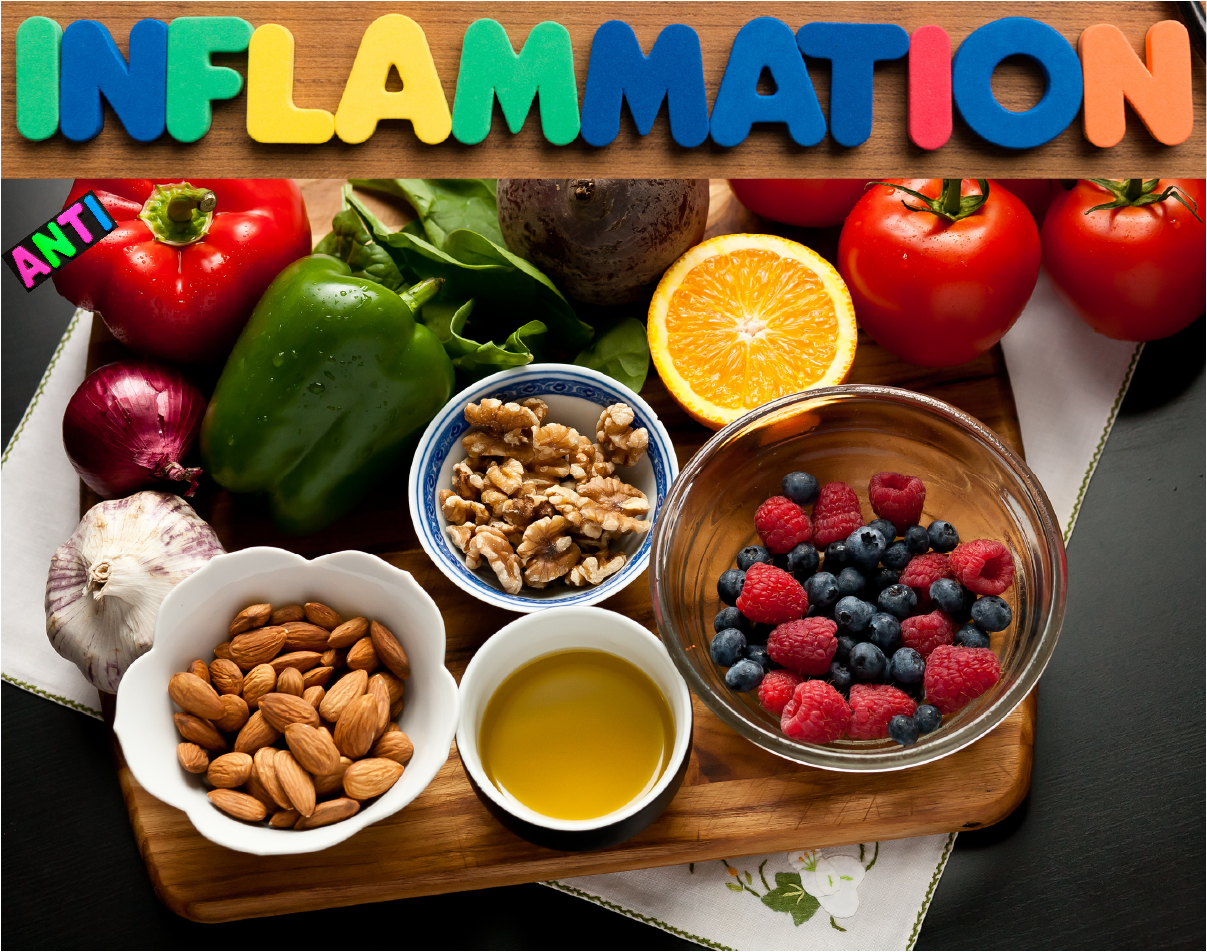 |
 |
Luteolin is a flavonoid compound found in many plants, including strawberries, blueberries, lemons, apples, grapefruit, celery, parsley, thyme, chamomile as well as the hemp plant. Like many of the other flavonoids, Luteolin is known to have potent antioxidant and anti-inflammatory properties. Luteolin has also been found to have anti-cancer properties and cardiovascular benefits. Some research suggests that luteolin may help to protect the brain from damage and reduce the risk of neurological diseases such as Alzheimer's and Parkinson's. |
 |
 |
Apigenin is a flavonoid that is found in many fruits and vegetables; apples, oranges, grapefruit, parsley, celery, broccoli and more. Apigenin is another flavonoid also found in the hemp plant. Eating a diet rich in apigenin-containing foods may provide health benefits such as reducing inflammation, improving cognitive function, and protecting against certain types of cancer. While there is much more research needed to fully understand the effects of apigenin on human health, some studies suggest that apigenin may enhance immune function by stimulating the production of certain immune cells, such as lymphocytes and natural killer cells, and by modulating the activity of certain immune system proteins. |
 |
 |
Cannaflavins A, B & C are a group of flavonoids that are unique to the hemp plant. Cannaflavins have been studied for their potential health benefits, particularly their anti-inflammatory effects. These cannaflavins have been shown to inhibit the activity of an enzyme called 5-lipoxygenase (5-LOX), which is involved in the production of pro-inflammatory molecules called leukotrienes. By inhibiting 5-LOX, cannaflavins may help to reduce inflammation and associated symptoms. This makes them potentially useful in the treatment of a range of inflammatory conditions, including arthritis and other autoimmune disorders. In addition to their anti-inflammatory effects, cannaflavins have also been studied for their potential neuroprotective and anticancer properties. While more research is needed to fully understand the therapeutic potential of cannaflavins, their unique properties and potential health benefits make them an interesting area of study. |  |
 |
||